Learn Smarter with Probability Games
21 July 2026 | 193
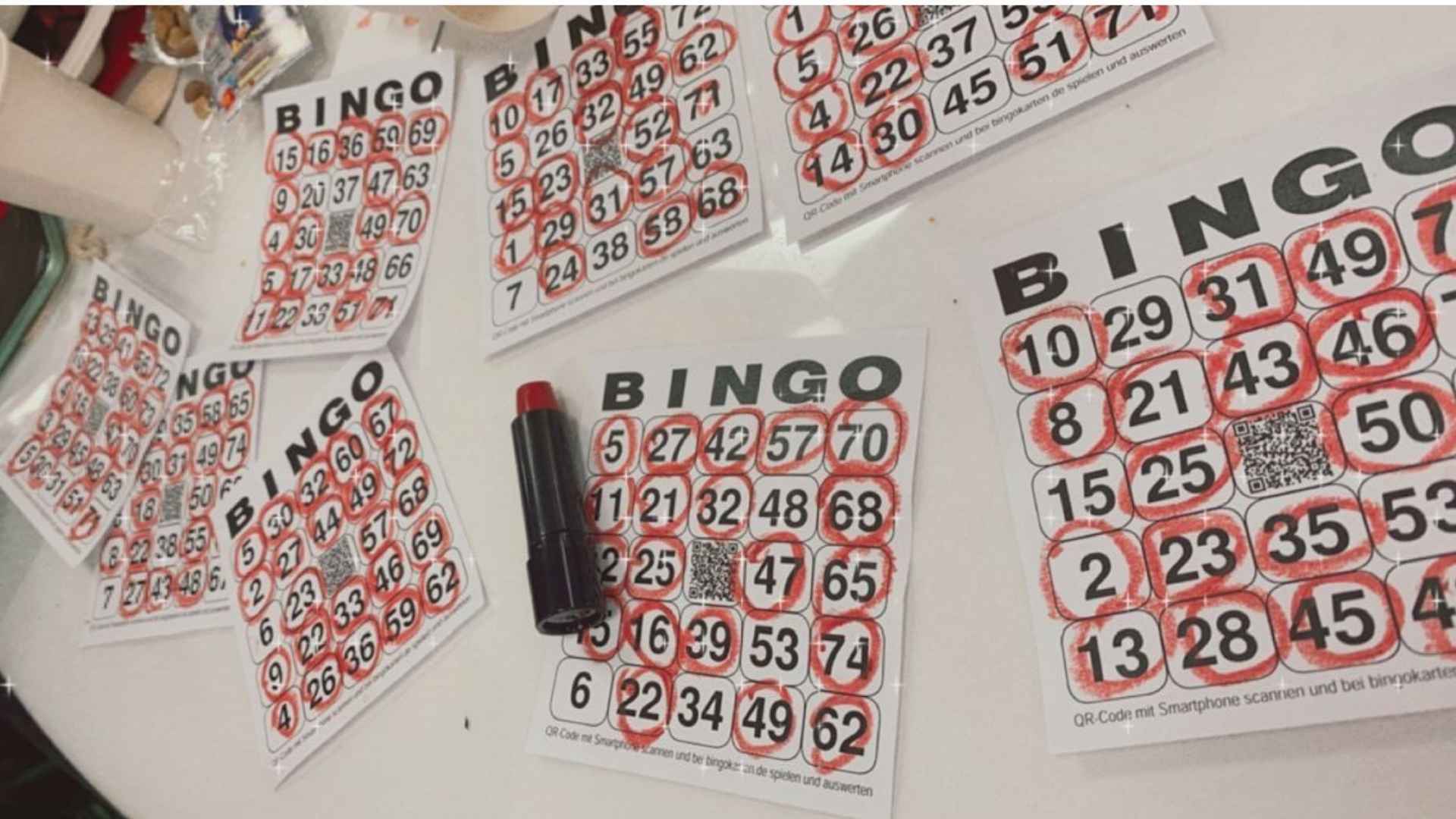
Traditional education models often rely on passive memorization, which can make abstract mathematical concepts difficult to grasp. Integrating interactive elements like games of chance transforms theoretical calculations into practical, engaging challenges. By applying strategic thinking to unpredictable scenarios, individuals can significantly improve their daily decision-making skills.
The Value of Active Engagement in Learning
Interactive environments provide a unique canvas for students to explore risk and reward dynamically. Instead of viewing formulas on a static page, learners witness how statistical distribution functions in real time. This hands-on approach builds an intuitive understanding of complex likelihood systems without academic stress.
Educational researchers suggest that matching challenges to growing skills maximizes long-term knowledge retention. When individuals actively participate in tracking outcomes, they shift away from simple intuition and move toward systematic analysis. This cognitive transformation helps players build an objective framework for managing real-world uncertainties.
Differentiating Between Randomness and Strategy
A major obstacle for many beginners is confusing absolute luck with calculated predictability. While the outcome of a single coin flip is purely independent, sophisticated strategy platforms offer opportunities to minimize variance over time. Recognizing this fine balance allows individuals to keep their expectations realistic during unpredictable events.
Many modern digital platforms leverage these fundamental principles to design compelling experiences for global audiences. Exploring digital simulations through a reliable portal like m88 link 2 can help enthusiasts observe how random number generators maintain system fairness. Familiarizing yourself with these structures is a highly effective way to sharpen daily logical reasoning capabilities.
Building Robust Risk Assessment Skills
Engaging with probability-focused puzzles forces the human brain to evaluate potential outcomes under varying degrees of risk. By examining recurring patterns over multiple rounds, players learn to make evidence-based decisions rather than relying on emotional reactions. This analytical method applies directly to professional environments, financial forecasting, and daily logistics.
Developing a strategic mindset requires consistency and steady observation of historical datasets. Simulating different scenarios helps individuals identify common mental traps like the gambler's fallacy before they result in real-world consequences. Training your mind to handle unexpected variables promotes greater emotional resilience and cognitive agility.
Practical Exercises for All Age Groups
Introducing foundational principles does not require expensive tools or advanced university degrees. Simple tabletop exercises utilizing basic dice mechanics or card setups serve as excellent starting points for family learning nights. Instructors can also introduce cooperative classroom challenges to naturally reinforce statistical concepts among younger students.
The primary focus should always remain on tracking the general frequency of outcomes rather than guessing exact immediate results. Maintaining a balanced perspective ensures that these activities serve their intended purpose as productive, educational entertainment. With consistent and structured practice, mastering the laws of chance becomes an accessible and deeply rewarding journey.